
Table of Contents
ToggleEsports coverage vs traditional sports coverage represents a fundamental shift in how audiences consume competitive entertainment. The gaming industry has grown into a multi-billion dollar sector, and its media landscape looks nothing like what sports fans have known for decades. Traditional sports broadcasting follows established playbooks built over 70+ years. Esports media, by contrast, emerged from streaming platforms and online communities. These two worlds share common goals, informing and entertaining fans, but they achieve them through vastly different methods. This article breaks down the key differences between esports coverage and traditional sports media, from broadcasting platforms to audience interaction styles.
Key Takeaways
- Esports coverage vs traditional sports media differs fundamentally in origins—esports grew from streaming platforms and online communities while traditional sports journalism developed through newspapers, radio, and TV.
- Traditional sports rely on controlled press access and credentialed events, whereas esports coverage operates more fluidly with players streaming directly to fans and announcements dropping on social media first.
- Streaming platforms like Twitch and YouTube dominate esports broadcasting, while traditional sports remain tied to television networks with rigid schedules and commercial breaks.
- Audience engagement in esports coverage vs traditional sports is far more interactive, with live chat participation, emote reactions, and commentators directly responding to viewers.
- Esports embraces video-first content and personality-driven creators, while traditional sports journalism maintains institutional brand power through established outlets.
- Monetization differs significantly—traditional sports media sells advertising, while esports coverage relies on subscriptions, donations, and direct creator-to-viewer sponsorships.
How Esports Coverage Differs From Traditional Sports Media
The gap between esports coverage vs traditional sports media starts with their origins. Traditional sports journalism developed through newspapers, radio, and eventually television. Reporters built careers covering beats, developing source relationships, and following established editorial standards.
Esports coverage grew up on the internet. Early esports journalists were often fans first, writing for forums and community sites before professional outlets existed. This grassroots beginning shapes how esports media operates today.
Traditional sports coverage relies heavily on press conferences, locker room access, and credentialed media events. Teams and leagues control information flow through official channels. Journalists compete for exclusives within this structured system.
Esports coverage operates more fluidly. Players stream directly to fans on Twitch and YouTube. Team announcements drop on Twitter/X before any press release goes out. The line between official communication and media coverage blurs constantly.
Credentialing in esports remains less formal than traditional sports. Major events like The International or League of Legends World Championship have press areas, but coverage standards vary widely. A YouTuber with 500,000 subscribers might get the same access as an established outlet.
The esports coverage vs traditional sports divide also shows in compensation models. Traditional sports media employs full-time beat reporters with benefits. Esports journalism relies more heavily on freelancers, content creators, and passion-project writers who supplement income through other means.
Platform and Broadcasting Differences
Platform choices highlight major differences in esports coverage vs traditional sports broadcasting. Traditional sports live on television networks, ESPN, Fox Sports, NBC Sports, with decades of infrastructure behind them. Cable packages, regional sports networks, and broadcast rights deals define distribution.
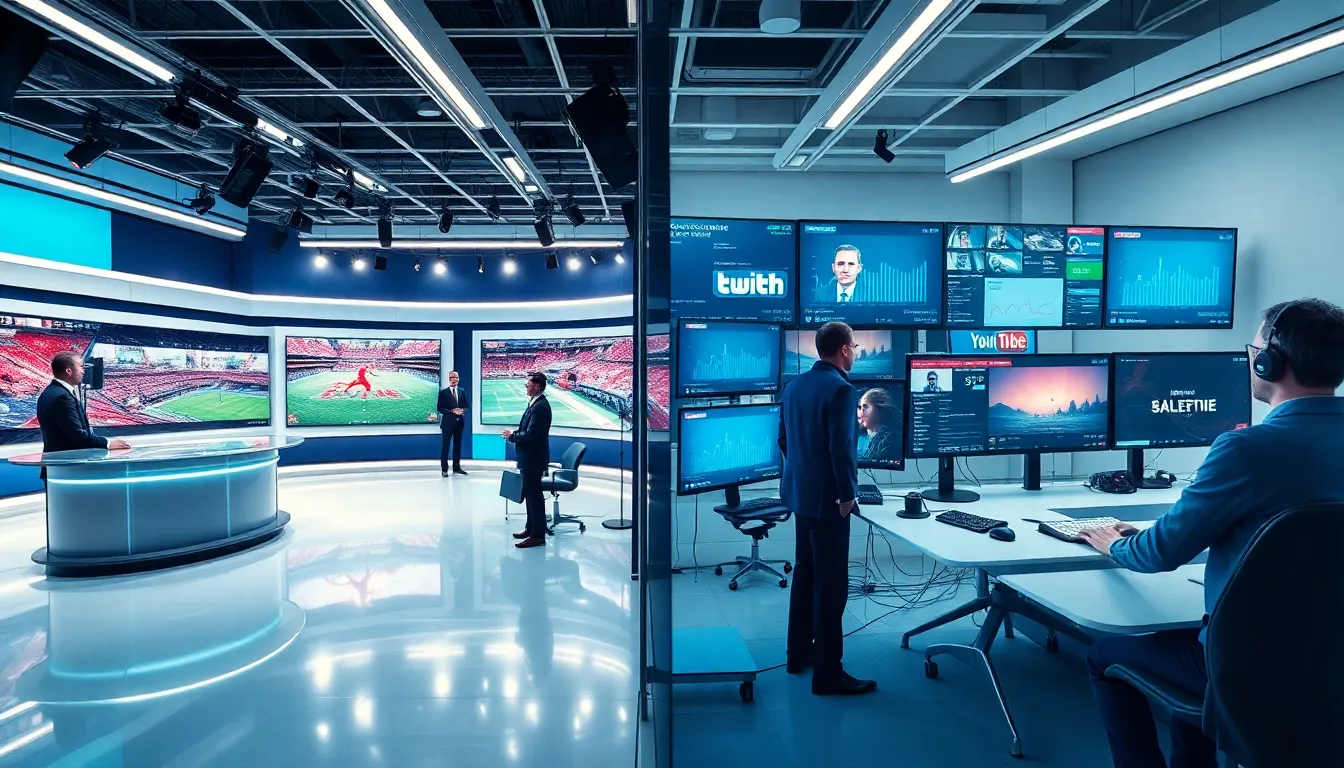
Esports broadcasts center on streaming platforms. Twitch dominates live esports viewership. YouTube Gaming captures significant market share. Some tournaments appear on traditional TV, but streaming remains the primary delivery method.
This platform difference affects everything downstream. Traditional sports broadcasts follow rigid schedules tied to advertising commitments. A football game starts at 1 PM, and the broadcast structure accommodates commercial breaks at predictable intervals.
Esports streams adapt to game length. A Counter-Strike match might run 45 minutes or two hours depending on how rounds play out. League of Legends games vary from 25 minutes to an hour. Broadcasts flex around unpredictable timing.
Production quality has converged somewhat. Major esports tournaments now feature analyst desks, pre-game shows, and graphics packages comparable to traditional sports. But the esports coverage vs traditional sports gap persists in production budgets and crew sizes.
Traditional sports broadcasts employ hundreds of people, camera operators, producers, graphics teams, on-air talent. Esports productions run leaner. A mid-tier tournament might have a crew of 20-30 handling what traditional sports would staff with triple that number.
VOD (video on demand) culture separates these worlds too. Sports fans expect live viewing. Esports audiences watch replays, highlights, and full match VODs at higher rates. Twitch archives and YouTube uploads extend content lifespan in ways traditional sports haven’t matched.
Audience Engagement and Community Interaction
Audience engagement represents perhaps the starkest contrast in esports coverage vs traditional sports media. Traditional sports maintain clear boundaries between fans and coverage. Viewers watch: broadcasters broadcast. Interaction happens through call-in shows or social media, but the relationship stays one-directional.
Esports coverage invites constant audience participation. Twitch chat scrolls alongside live broadcasts. Viewers spam emotes, make predictions, and react in real-time. This changes the viewing experience fundamentally.
Commentators in esports acknowledge chat. They read donations, respond to memes, and incorporate audience feedback into broadcasts. Traditional sports announcers rarely break the fourth wall this way.
The esports coverage vs traditional sports comparison extends to community building. Esports fans congregate on Discord servers, subreddits, and team-specific forums. These spaces generate discussion that influences coverage priorities.
Traditional sports coverage responds to fan interest but doesn’t integrate community voices as directly. Beat reporters might check Twitter mentions, but they don’t join Discord calls with viewers.
Pro players in esports maintain direct fan relationships through streaming. A League of Legends pro might stream practice sessions to thousands. NFL quarterbacks don’t broadcast film study to their followers. This access shapes how esports coverage vs traditional sports reporting develops.
Fan content creation plays a larger role in esports. Highlight clips, analysis videos, and reaction content from non-professional creators compete with official coverage. Traditional sports protect highlights more aggressively, limiting fan redistribution.
Content Formats and Production Styles
Content formats diverge significantly across esports coverage vs traditional sports media. Traditional sports journalism produces game recaps, feature stories, investigative pieces, and opinion columns. These formats have existed for generations with minor evolution.
Esports coverage embraces video-first content. YouTube explainers, Twitch reaction streams, and TikTok clips dominate the landscape. Written articles exist but command smaller audiences than video equivalents.
The esports coverage vs traditional sports production style also differs in pacing. Sports highlight shows run quick cuts set to energetic music. Esports content varies wildly, from 30-second clips to four-hour VOD reviews.
Analysis content shows this contrast clearly. Traditional sports analysis appears on studio shows with former players and coaches breaking down film. Production values stay high, but formats remain consistent across networks.
Esports analysis ranges from solo creators screen-sharing replays to full production analyst desks. A popular YouTube breakdown might outperform official broadcast analysis in viewership. The barrier to entry stays lower.
Personality-driven content carries more weight in esports. Individual creators build audiences that rival team followings. Traditional sports media features star journalists, but institutions like ESPN or The Athletic hold more brand power.
Monetization models create different incentive structures. Traditional sports media sells advertising based on viewership numbers and demographic data. Esports coverage monetizes through subscriptions, donations, sponsorships, and merchandise, often directly from creator to viewer.
Update cycles differ too. Traditional sports coverage follows game schedules. Esports coverage runs constantly. Balance patches, roster moves, and tournament announcements happen year-round. The content calendar never truly empties.

