
Table of Contents
ToggleEsports coverage techniques have transformed how millions of viewers experience competitive gaming. Professional broadcasts now rival traditional sports in production quality, viewer engagement, and global reach. The industry generated over $1.8 billion in revenue in 2024, with live event coverage driving much of that growth.
This guide breaks down the core methods broadcasters use to capture, produce, and distribute esports content. From camera work to commentary strategies, each element plays a specific role in creating compelling coverage. Whether someone works in production or simply wants to understand the craft behind their favorite streams, these techniques reveal what separates amateur coverage from professional broadcasts.
Key Takeaways
- Esports coverage techniques combine in-game observer systems, multi-camera setups, and real-time graphics to deliver broadcast-quality productions that rival traditional sports.
- Professional broadcasts typically use 15-30 video sources, including player face cams, crowd cameras, and replay systems, all managed by directors who build narrative tension through strategic switching.
- The two-person commentary format—pairing a play-by-play caster with a color analyst—serves both new viewers seeking excitement and experienced fans wanting deeper strategic insight.
- Modern esports coverage techniques must adapt to multi-platform distribution, tailoring content for Twitch’s chat culture, YouTube’s VOD preferences, and TikTok’s short-form mobile audience.
- Interactive features like predictions, polls, co-streaming, and fantasy integrations transform passive viewers into active participants, boosting engagement and watch time.
- Sound design, including balanced game audio, commentator mics, crowd ambiance, and team listen-ins, is a critical element that separates professional esports coverage from amateur streams.
Understanding the Esports Broadcast Landscape
The esports broadcast landscape differs significantly from traditional sports coverage. Games happen on screens rather than physical fields, which creates unique challenges and opportunities for production teams.
Most esports coverage techniques rely on observer systems built into competitive games. These systems allow dedicated camera operators to capture in-game action from multiple angles. Games like League of Legends, Counter-Strike 2, and Dota 2 include spectator modes designed specifically for broadcast use.
Three main broadcast formats dominate the industry:
- Studio productions – Teams work from dedicated facilities with full production equipment, commentator desks, and analysis stations.
- On-site event coverage – Live tournaments require mobile production units, crowd cameras, and player booth feeds.
- Remote productions – Distributed teams handle different aspects of coverage from multiple locations.
Each format demands different esports coverage techniques. Studio shows offer controlled environments but lack crowd energy. On-site events deliver atmosphere but introduce technical variables. Remote setups reduce costs while requiring tight coordination.
The observer role remains critical across all formats. Skilled observers anticipate plays, follow action smoothly, and highlight key moments. Bad observation can ruin otherwise excellent coverage. Top observers like “Prius” in Counter-Strike have become minor celebrities for their ability to capture clutch moments.
Essential Production Elements for Live Esports Events
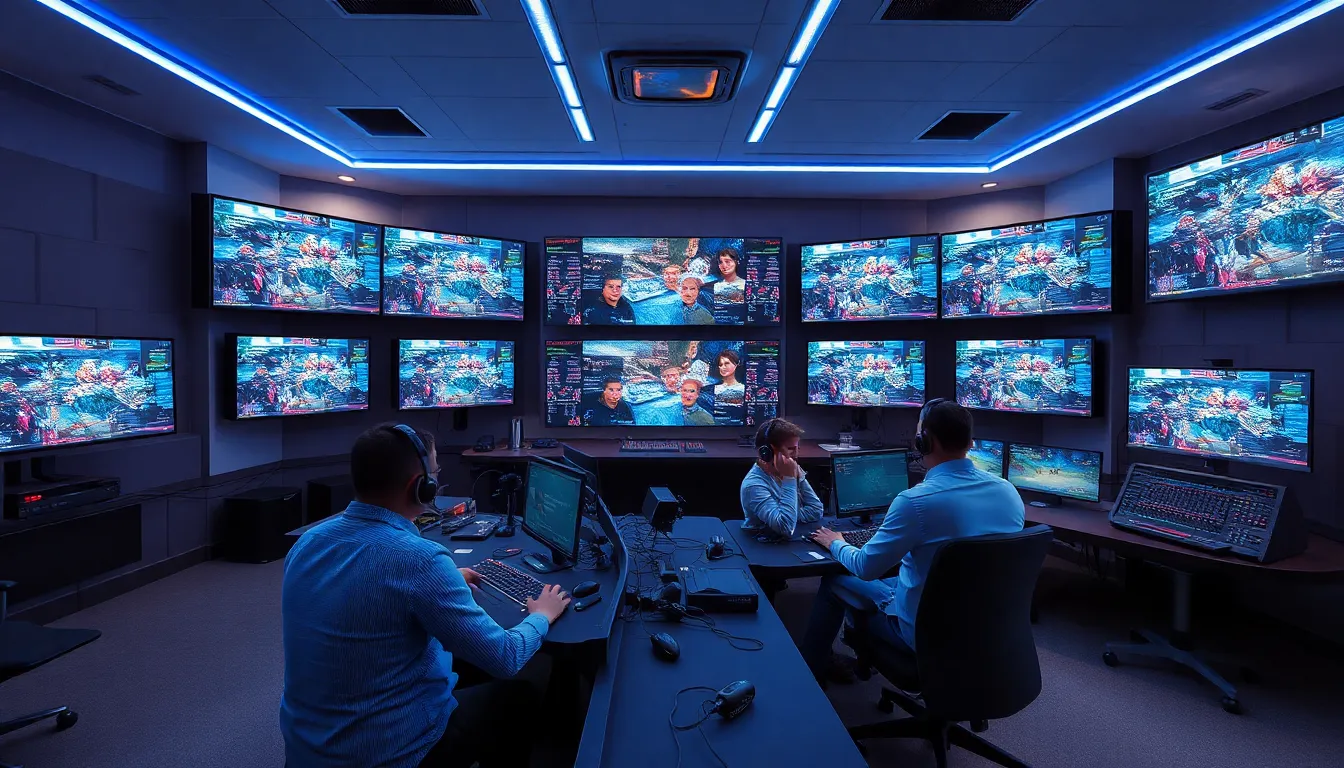
Live esports events require coordinated production elements working together seamlessly. Directors must manage multiple video feeds, audio sources, and graphics systems simultaneously.
Video Sources and Switching
A typical esports broadcast uses 15-30 video sources. These include:
- Main game feed from the observer PC
- Player face cameras (usually one per competitor)
- Crowd cameras for reactions
- Wide venue shots
- Replay systems
- Graphics overlays
Directors switch between sources to build narrative tension. They cut to player faces during tense moments and show crowd reactions after big plays. Good esports coverage techniques balance game action with human elements.
Audio Management
Sound design separates professional broadcasts from amateur streams. Production teams mix several audio layers:
- Game audio (balanced to not overpower commentary)
- Commentator microphones
- Crowd ambient sound
- Music for breaks and transitions
Many broadcasts also capture team communications when permitted. These “listen-ins” give viewers insight into professional strategy and callouts.
Graphics and Data Integration
Modern esports coverage techniques rely heavily on real-time graphics. Overlays display player statistics, team standings, and match information. Some productions integrate live data feeds that update automatically as games progress.
The best graphics packages feel native to the game being covered. They match visual styles while remaining readable on various screen sizes. Too many graphics clutter the screen. Too few leave viewers confused about context.
Commentary and Analysis Strategies
Commentary forms the backbone of esports coverage techniques. Great casters turn complex gameplay into accessible entertainment.
Most broadcasts use a two-person commentary team:
- Play-by-play caster – Describes action as it happens, builds excitement, maintains energy.
- Color analyst – Explains strategy, provides context, breaks down why plays matter.
This duo format works because it serves different audience needs simultaneously. New viewers follow the play-by-play. Experienced fans appreciate deeper analysis.
Pacing and Energy Management
Esports matches can last anywhere from 20 minutes to several hours. Commentators must manage their energy accordingly. Starting at maximum intensity leaves nowhere to go when important moments arrive.
Skilled casters read the game state. They lower intensity during farming phases or setup periods. They escalate as teams approach objectives. This creates natural rhythm that keeps viewers engaged through slower periods.
Building Narratives
Effective esports coverage techniques weave storylines throughout broadcasts. Commentators reference player histories, team rivalries, and tournament stakes. They remind viewers why each match matters.
“This is a rematch of last year’s finals” hits differently than simply announcing team names. Context transforms matches from isolated games into chapters of ongoing stories.
Analyst Desk Integration
Pre-game and post-game analysis segments extend coverage beyond live matches. Analysts preview strategies, predict outcomes, and review key moments. These segments provide structure and breathing room between games.
The best analyst desks feature former professional players. Their credibility and insider knowledge add depth that pure broadcasters cannot match.
Leveraging Multi-Platform Distribution
Modern esports coverage techniques must account for fragmented viewership. Audiences watch on Twitch, YouTube, TikTok, and game-specific platforms. Each platform has different features, demographics, and expectations.
Platform-Specific Approaches
Twitch remains the dominant esports platform. Its chat integration and emote culture shape how broadcasts interact with viewers. Productions often reference chat reactions and incorporate Twitch-specific features like predictions and polls.
YouTube attracts viewers who prefer VOD content and longer watch sessions. Its algorithm favors watch time, encouraging productions to create compelling highlights and full match replays.
TikTok and Shorts demand vertical video clips optimized for mobile viewing. These platforms reach younger audiences who may not watch full broadcasts. Short-form content serves as a funnel to longer coverage.
Simultaneous Broadcasting
Many organizations broadcast simultaneously across multiple platforms. This requires careful rights management and platform-specific modifications. Some esports coverage techniques that work on Twitch, like rapid chat interaction, translate poorly to YouTube’s slower comment system.
Regional Adaptations
Major tournaments produce multiple language broadcasts. Each region may have different co-streaming rules, sponsorship requirements, and audience preferences. Korean broadcasts often feature different graphics and pacing than Western versions of the same event.
Engaging Audiences Through Interactive Features
Passive viewing no longer satisfies esports audiences. Modern esports coverage techniques incorporate interactive elements that let viewers participate in broadcasts.
Predictions and Polls
Platform-native prediction systems let viewers bet channel points on match outcomes. These features increase investment in results. Viewers who predict outcomes watch more closely to see if they were right.
Polls gather audience opinions on strategy, MVP selections, and broadcast preferences. They generate engagement metrics while making viewers feel heard.
Watch Parties and Co-Streaming
Many esports organizations allow content creators to co-stream official broadcasts. This extends reach through established creator audiences. Viewers choose between official coverage and their favorite streamer’s reaction.
Co-streaming programs require clear guidelines. Creators must display the official feed while adding their own commentary and community interaction.
Second Screen Experiences
Some esports coverage techniques leverage companion apps and websites. These second-screen experiences display additional statistics, alternative camera angles, and interactive maps. Dedicated fans use these tools to access information beyond what fits in the main broadcast.
Fantasy Integration
Fantasy esports platforms tie into live coverage. Broadcasts display fantasy point updates and highlight players performing well for fantasy owners. This cross-promotion benefits both the broadcast and fantasy platforms while giving viewers additional reasons to watch.

